Production Department: Mastering Batch Planning, Quality Control, and Cost-Efficient Throughput
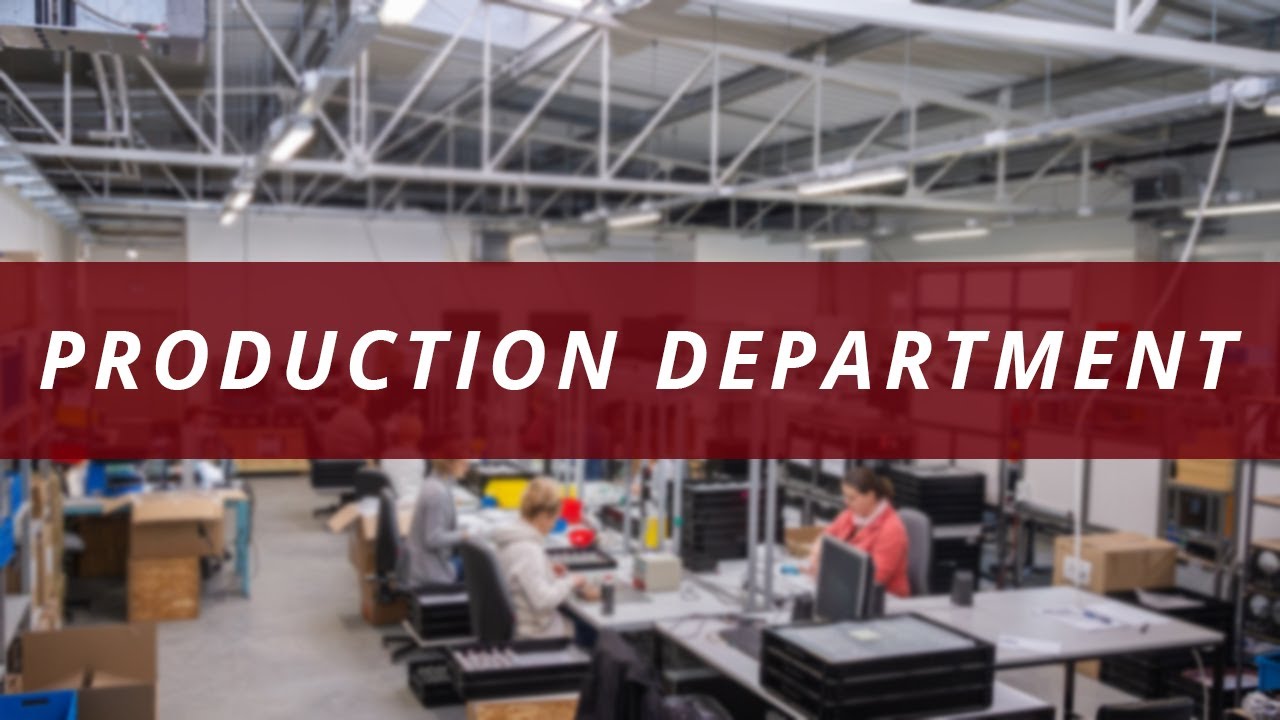
Behind every successful business lies a production department that ensures products are manufactured on time, meet quality standards, and are delivered cost-effectively. While innovation and sales often receive the spotlight, the production department is the true backbone of operational success. Its efficiency directly determines profitability, customer satisfaction, and long-term competitiveness.
Within the production function, three pillars stand out as critical for sustainable growth: batch planning, quality control, and cost-efficient throughput. Together, they form the foundation of modern production management. This blog will dive into these areas, exploring their importance, challenges, and best practices in today’s fast-paced business landscape.
The Role of the Production Department
The production department is responsible for transforming raw materials into finished goods while ensuring that processes remain efficient, safe, and sustainable. Its core functions include:
- Planning and Scheduling – Aligning resources, machinery, and labor with demand.
- Batch Production Management – Grouping and sequencing work for efficiency.
- Quality Control – Monitoring and maintaining standards across processes.
- Throughput Optimization – Maximizing output while minimizing waste.
- Cost Control – Reducing expenses without compromising quality or deadlines.
Batch Planning: Organizing Production for Efficiency
Batch planning is the practice of grouping products or processes into batches that can be produced together. Instead of manufacturing one unit at a time, companies produce a batch of items in sequence. This reduces setup times, improves consistency, and makes better use of resources.
Why Batch Planning Matters:
- Resource Optimization – Machines, tools, and labor are used more efficiently.
- Reduced Downtime – Fewer interruptions for changeovers or retooling.
- Consistent Quality – Batches allow for uniform control of specifications.
- Scalability – Easier to scale production as demand grows.
Challenges in Batch Planning:
- Overproduction leading to excess inventory and storage costs.
- Complex scheduling in multi-product environments.
- Balancing flexibility with efficiency when customer demand is unpredictable.
Best Practices:
- Use advanced production scheduling software to optimize sequencing.
- Adopt Just-in-Time (JIT) strategies to minimize excess batches.
- Regularly review demand forecasts to align batch sizes with market needs.
Quality Control: Safeguarding Consistency and Trust
Quality control (QC) is the systematic process of monitoring and inspecting products to ensure they meet predefined standards. In the production department, QC is not just about detecting defects but about preventing them.
Importance of Quality Control:
- Customer Satisfaction – High-quality products build loyalty and reduce returns.
- Brand Reputation – Consistency strengthens trust and competitive advantage.
- Cost Savings – Early detection of issues prevents expensive rework or recalls.
- Compliance – Meets regulatory requirements across industries.
Quality Control Techniques:
- Statistical Process Control (SPC) – Using data to monitor and control processes.
- Six Sigma – Reducing defects through rigorous methodology.
- Total Quality Management (TQM) – Embedding quality across the organization.
- ISO Standards – Ensuring compliance with global quality benchmarks.
For example, in the pharmaceutical industry, strict QC is critical not only for business success but also for patient safety. Every batch of medicine undergoes multiple quality checks to ensure it meets safety and efficacy standards.
Cost-Efficient Throughput: Balancing Output and Expenses
Throughput refers to the rate at which products are manufactured and delivered. Cost-efficient throughput means maximizing this output while minimizing operational costs. It is the ultimate measure of production efficiency.
Factors Influencing Throughput:
- Machine Utilization – Avoiding bottlenecks and idle equipment.
- Workforce Productivity – Skilled labor, training, and motivation improve performance.
- Process Optimization – Streamlined workflows reduce delays.
- Supply Chain Reliability – Timely delivery of raw materials prevents stoppages.
Strategies for Cost-Efficient Throughput:
- Implement Lean Manufacturing to eliminate waste and inefficiency.
- Use automation and robotics for repetitive tasks.
- Invest in predictive maintenance to prevent machine breakdowns.
- Adopt real-time monitoring systems to track and improve performance.
For instance, Toyota’s production system revolutionized cost-efficient throughput with its lean principles and just-in-time production, becoming a global benchmark for manufacturing excellence.
Integration: How Batch Planning, Quality Control, and Throughput Work Together
These three elements are not isolated but deeply interconnected. Effective batch planning reduces waste and improves consistency, which supports stronger quality control. In turn, rigorous QC reduces rework and waste, which improves throughput. Cost-efficient throughput ensures that the benefits of planning and QC translate into profitability.
Challenges in Modern Production
- Global Supply Chain Risks – Delays or disruptions impact throughput.
- Labor Shortages – Skilled talent is increasingly hard to find.
- Technological Investment – Automation requires upfront costs and training.
- Balancing Customization with Efficiency – Customers demand variety, but customization adds complexity.
Future Trends in Production Management
- Smart Manufacturing – IoT-enabled machines and AI-driven analytics.
- Sustainability – Eco-friendly processes and waste reduction.
- Flexible Production – Smaller, adaptive batch sizes for personalized products.
- Data-Driven Decision Making – Using real-time insights for optimization.
- Resilient Supply Chains – Diversifying suppliers and adopting local sourcing.
Conclusion
The production department is more than just a factory floor—it is the engine room of organizational success. By focusing on batch planning, ensuring rigorous quality control, and maximizing cost-efficient throughput, businesses can strike the perfect balance between efficiency, profitability, and customer satisfaction.
In an era of global competition and rising customer expectations, mastering these three pillars is not optional—it is a necessity. Companies that invest in smarter planning, consistent quality, and efficient throughput will not only survive but thrive in the future of production management.