Procurement & Supply Chain Department: Vendor Management, Strategic Sourcing, Inventory Control & Sustainability
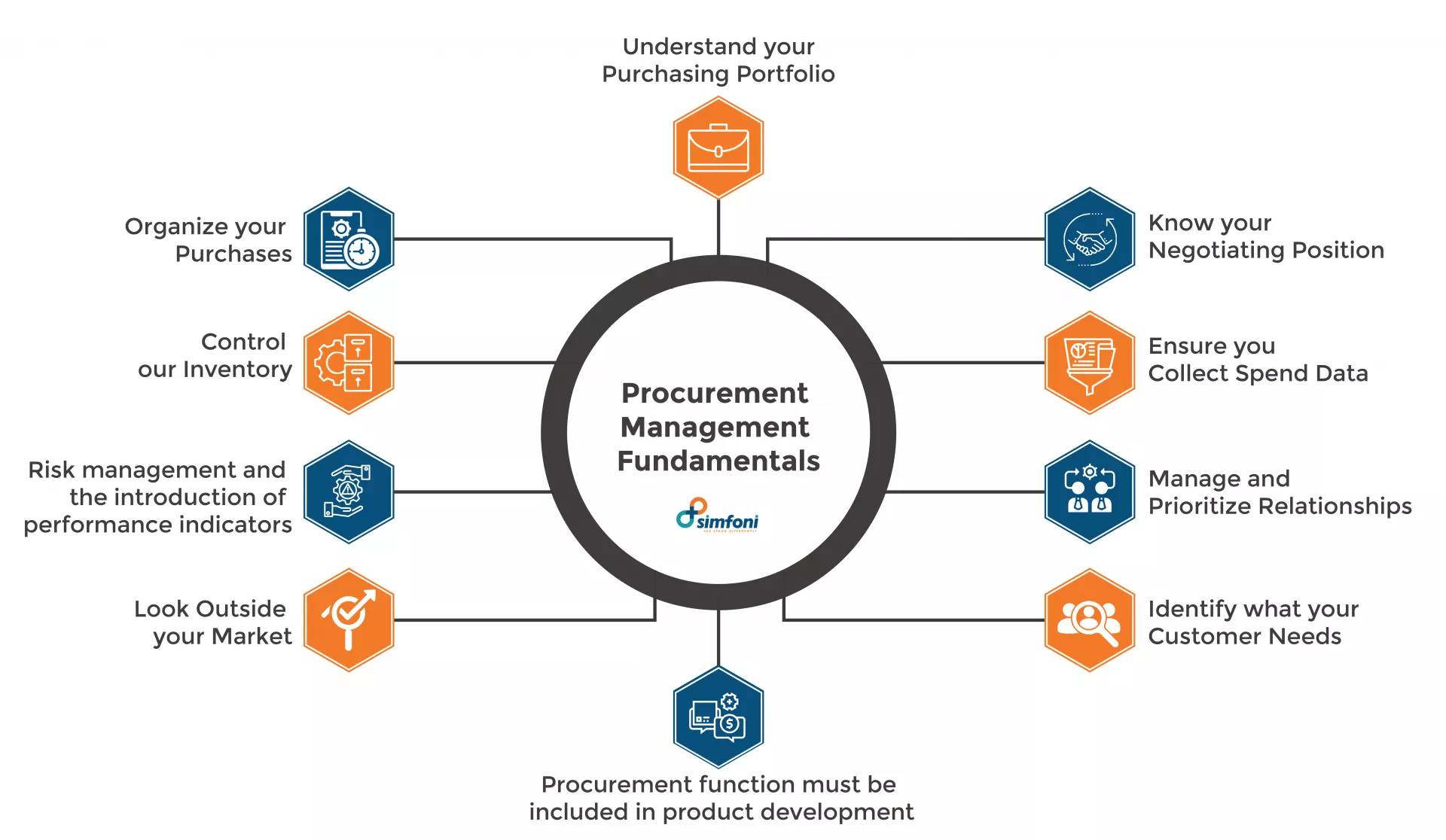
The Procurement & Supply Chain Department is the silent engine that powers every business. While sales bring in revenue and operations deliver products, it is procurement that ensures the organization has the right materials, services, and partnerships to function efficiently. From vendor management and strategic sourcing to inventory control and sustainability, procurement has evolved into a strategic business driver rather than a mere cost-control function.
Vendor Management: Building Strong Partnerships
At its core, procurement is about managing relationships with vendors and suppliers. Strong vendor management practices ensure quality, cost-effectiveness, and timely delivery.
- Supplier Evaluation – Assessing potential vendors based on quality, capacity, pricing, and compliance.
- Contract Negotiation – Securing favorable terms while ensuring fairness and collaboration.
- Performance Monitoring – Tracking vendor KPIs such as on-time delivery, defect rates, and responsiveness.
- Risk Mitigation – Diversifying suppliers to avoid dependency and supply disruptions.
In today’s global supply chains, vendor management is not only about cutting costs but also about ensuring resilience and ethical sourcing.
Strategic Sourcing: Beyond Cost Reduction
Strategic sourcing goes deeper than transactional purchasing. It aligns procurement decisions with long-term business strategy.
- Category Management – Grouping similar spend categories to leverage scale and negotiate better terms.
- Global Sourcing – Identifying the best suppliers worldwide to balance cost, quality, and risk.
- Technology-Driven Procurement – Using AI and data analytics to forecast needs and optimize sourcing.
- Supplier Collaboration – Co-developing products and innovations with suppliers.
When done strategically, procurement becomes a value creator—driving innovation, efficiency, and competitive advantage.
Inventory Control: Balancing Availability & Efficiency
Inventory is one of the largest investments for any organization, and mismanagement can directly impact profitability. Procurement works hand-in-hand with supply chain and operations to balance availability with cost control.
- Just-in-Time (JIT) – Reducing excess stock while ensuring timely availability of raw materials.
- Safety Stock Planning – Maintaining a buffer to handle demand fluctuations and supplier delays.
- ABC Analysis – Classifying inventory based on consumption value to prioritize resources.
- Technology Integration – Using ERP and IoT systems for real-time inventory tracking.
Effective inventory control ensures working capital is optimized while preventing stockouts and production delays.
Sustainability in Procurement
Modern procurement is no longer about just price and quality—it’s about responsibility. Organizations are under increasing pressure to adopt sustainable sourcing practices.
- Green Procurement – Choosing environmentally friendly raw materials and packaging.
- Ethical Sourcing – Ensuring suppliers comply with labor laws and human rights standards.
- Carbon Footprint Reduction – Partnering with local vendors to reduce transportation emissions.
- Circular Economy Practices – Recycling and reusing materials within the supply chain.
Consumers and investors are rewarding businesses that prioritize sustainability, making it a strategic imperative.
Integration Across the Organization
The Procurement & Supply Chain Department collaborates with almost every business function:
- With Finance – Aligning budgets, payment terms, and cash flow management.
- With Operations – Ensuring timely material supply for uninterrupted production.
- With R&D – Procuring specialized components for prototypes and innovation projects.
- With Marketing – Sourcing promotional materials and packaging aligned with brand standards.
This cross-functional integration ensures procurement contributes to overall organizational efficiency and competitiveness.
Challenges in Procurement & Supply Chain
- Global Disruptions – Geopolitical tensions, pandemics, and natural disasters disrupting supply chains.
- Rising Costs – Fluctuating raw material prices and logistics expenses.
- Vendor Reliability – Ensuring suppliers consistently meet quality and delivery standards.
- Technology Adoption – Integrating procurement systems across diverse geographies and functions.
Future Trends in Procurement
- AI & Predictive Analytics – Forecasting demand, identifying risks, and optimizing sourcing.
- Blockchain – Enhancing transparency and traceability across global supply chains.
- Robotic Process Automation (RPA) – Automating repetitive tasks like invoice processing and purchase orders.
- Sustainable Supply Chains – Increased focus on ESG compliance and green logistics.
Conclusion
The Procurement & Supply Chain Department is no longer a back-office function focused solely on purchasing. It is a strategic enabler of cost savings, efficiency, innovation, and sustainability. By excelling in vendor management, strategic sourcing, inventory control, and sustainability initiatives, procurement strengthens business resilience and ensures long-term competitiveness. In an interconnected global economy, procurement excellence is the difference between thriving and merely surviving.